Here are the plant families to which our crops, spices, fruits, herbs and vegetables belong. Also supplied are the botanical definitions for some fruits, vegetables and herbs.

Food Plant Families
Family (Scientific
classification)
|
Represents
|
Members
|
Actinidiaceae
|
Chinese gooseberry family
|
Kiwifruit
|
Amaryllidaceae
|
Amaryllis or Onion family
|
Garlic, leek, onion, shallot, chives
|
Anacardiaceae
|
Cashew or Sumac family
|
Cashew, pistacia, mango, marula
|
Annonaceae
|
Custard apple family
|
Anona, pawpaw (papaya), ylang-ylang
|
Apiaceae
|
Carrot or Parsley family
|
Cumin, anise, caraway, carrot, fennel , chervil, cicely, coriander,
cilantro, dill, wormwood a, lovage, parsley, parsnip
|
Asteraceae or Compositae
|
Aster, Daisy or Sunflower family
|
Salsify, scorzonera, lettuce, endive, chicory, celery b, angelica b,
florence fennel, chamomile, tansy, tarragon
|
Boraginaceae
|
Borage or Forget-me-not family
|
Borage, comfrey, oyster plant, bugloss
|
Brassicaceae
|
Cabbage or Crucifer family
|
Broccoli, cabbage, cauliflower, turnip, rapeseed, radish,
horseradish, bok choy, Brussels sprouts, daikon, kale, kohl rabi, mustard,
swede, watercress, savoys, rocket, land cress
|
Bromeliaceae
|
Bromeliad family
|
Pineapple
|
Chenopodiaceae*
|
Goosefoot or beet family
|
Beetroot, chard, spinach, silverbeet, quinoa, goosefoot, good king
henry, fat hen
|
Convolvulaceae
|
Blindweed or Morning Glory family
|
Sweet potato, water spinach
|
Cucurbitaceae
|
Squash and pumpkin family
|
Squash, gourd, pumpkin, zucchini, marrow, melons, cucumber, luffa,
watermelon, gherkin
|
Ebenaceae
|
Persimmon and ebony family
|
Persimmon
|
Ericaceae
|
Heath or Heather family
|
Cranberry, blueberry, huckleberry, bilberry, loganberry
|
Fabaceae or Leguminosae
|
Legume, pea or bean family
|
Pea, beans, soybean, chickpea, alfalfa, peanut, carob, liquorice,
vetch, lupin, lentil
|
Grossulariaceae
|
Currant and gooseberry family
|
Gooseberry, currant
|
Lamiaceae
|
Mint family
|
Basil, mint, rosemary, sage, savory, marjoram, oregano, hyssop,
thyme, lavender
|
Lauraceae
|
Laurel family
|
Bay laurel, avocado, cinnamon
|
Lythraceae
|
Loosestrife family
|
Pomegranate,
|
Malvaceae
|
Mallow or Hibiscus family
|
Okra, rosella, cocoa, mallow
|
Moraceae
|
Mulberry and fig family
|
Fig, mulberry
|
Musaceae
|
Banana family
|
Banana, plantain
|
Myrthaceae
|
Myrtle family
|
Myrtle, clove, guava, feijoa, allspice, eucalyptus, brush cherry
|
Oleaceae
|
Olive family
|
Olive, ashes, lilac, jasmine
|
Passifloraceae
|
Passion flower family
|
Granadilla (passion fruit),
|
Poaceae
|
True grass family
|
Maize (corn), wheat, millet, rye, oat, ryegrass, sorghum, rice,
barley, lemongrass
|
Polygonaceae
|
Buckwheat family
|
Buckwheat, sorrel, rhubarb
|
Rosaceae
|
Rose family
|
Plums, cherries, peaches, apricots, almonds, apples, pears, quiches,
raspberries, strawberries, blackberry, cotoneaster, hawthorn, medlars,
loquats, damson, gage, loganberry, boysenberry, cloudberry, dewberry,
wineberry
|
Rutaceae
|
Citrus or Rue family
|
Orange, lemon, grapefruit, lime, kumquat, curry tree, mandarin, calamansi, common rue, clementine
|
Sapindaceae
|
Soapberry family
|
Litchi (lychee), maple, horse chestnut
|
Solanaceae
|
Nightshade or Potato family
|
Potato, tomato, eggplant, peppers (capsicum), tomatillo, cape
gooseberry
|
Verbenaceae
|
Verbena/Vervain family
|
Verbenas (lemon)
|
Vitaceae
|
Grape family
|
Grapevine
|
Zingiberaceae
|
Ginger family
|
Ginger, turmeric, cardamom
|
a Wormwood family discrepancies, may belong to Asteraceae. Please see comments section.
bCelery/Angelica family discrepancies, may belong to Apiaceae. Please see comments section.
Botanical Definitions
Vegetable
Stem vegetables include: Celery, kohl rabi, asparagus
Leaves: Lettuce, cabbage, spinach
Flowers: Broccoli, cauliflower
Roots: Beet, carrots, parsnip, radish, turnip, swede, salsify
Tubers: Potato, yam, sweet potato, yaro
Bulbs: Onions, garlic
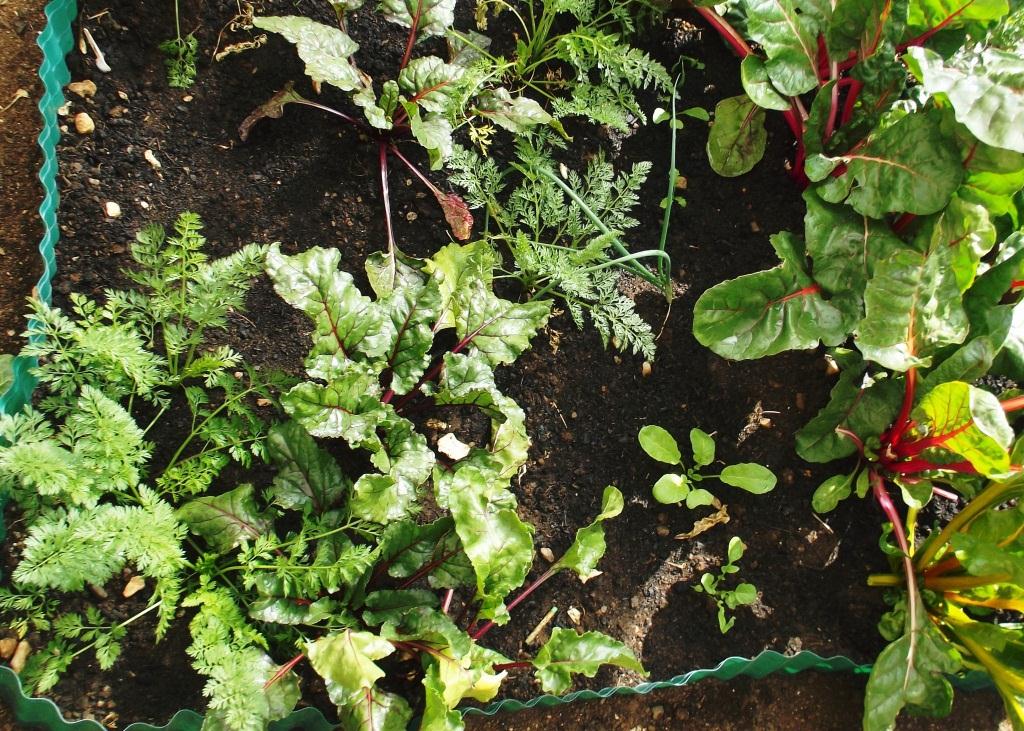 |
| Vegetables |
Herbs
Fruits
As with everything in life fruits can be differentiated into various fruit types, based upon the number of ovaries and overall fruit structure:
A quick look at fruits
Simple
|
Compound
| ||
Dry
|
Fleshy
|
Multiple
|
Aggregate
|
Dehiscent - pea
|
Drupes – plum
|
Accessory - strawberry
|
Syconium – fig
|
Indehiscent - wall nut
|
Berry – redcurrant
|
Balausta - pomegranate
|
Sorosis - mulberry
|
Pome - apple
|
Simple fruits
Fleshy simple fruit include; drupes, berries (hesperidium, pepo) and pomes.
· Berries: ‘Soft fruit’ containing many seeds in one fruit - redcurrant, gooseberry, tomato, cranberry, pepper, eggplant
o Hesperidium: Berry with a leathery rind and segmented fruit pulp - all citrus
o Pepo: Berry with watery flesh and flat seeds – Cucurbit/gourd family (squash, cucumber, melon, pumpkin, watermelon)
· Pomes: The fruits from the Rosaceae family that develop from a half-inferior ovary – apples, pears, rosehips, saskatoon berry
 |
| Squash - A berry! |
Dry simple fruits include; dehiscent (follicle, legume, silique, capsule) and indehiscent (samara, achene, caryopsis, nut).
· Dehiscent: Ovary splits upon maturing
o Follicle: Pod formed from a single carpel and splits on one side – milkweed, peony, magnolia
o Legume: Pod from a leguminous plant (fixes own nitrogen for growth) – pea, bean, soya, peanut
o Silique: Long pods from the mustard family and splits from both sides – fruits/seeds of the cabbage family (not the cabbage/leafy part we eat!)
o Capsule: Pod formed from two carpels – brazil nut, horse chestnut, poppy, lily,
· Indehiscent: Ovary does not split upon maturing
o Samara: Single seeded fruit with a flat and fibrous winged structure has formed over the ovary, to be carried by the wind – sycamore, elm seeds
o Achene: Single seeded fruit – buckwheat, buttercup
o Caryopsis: Single seeded fruit where the pericarp is fused to the seed – cereals, grass seeds
o Nut: Hard fruit or shell encasing the seed – acorn, hazelnut, wall nut
 |
| Pea - dehiscent, legume |
Compound Fruits
· Multiple: Coalesced ovaries of an entire interflorescence (the flowering structure)
o Accessory: Fruit not formed from the ovary, but from an exterior nonovarian tissue, such as the receptacle, which forms the base of the flower stem – strawberry
o Balausta: Old term for the fruits of the pomegranate - it is now known as a 'Hyp', a multiple of drupes
· Aggregate: Many ovaries attached to a single receptacle forming fruitlets
o Syconium: ‘Receptacle fruit’, flowers/fruit and seeds form within the stem/receptacle. Each fig has its own specialist fig wasp for pollination, fig and wasp are dependent on the other and co-evolve together – Ficus family, figs
o Sorosis: The fruit is formed by the consolidation of many ovaries – mulberry
 |
| Multiple fruit, Strawberry |
______________________________________________________________________________
Please share with fellow gardening enthusiasts via the various sharing buttons at the end of posts/pages! Else you can vote for posts through the Google reactions bar at the end of articles. To stay up to date I have provided several reader and social networking platforms with which to subscribe: Twitter, Pinterest, RSS Feed Reader or Email/Follow directly using the Blog Followers widget on the left hand side toolbar. Thank you for reading and please feel free to ask if questions arise - I appreciate comments and ideas too! 😆
_________________________________________________________________________________


